Chiropractic Care After a Car Accident: What You Need to Know
Even a low-speed car accident can cause injuries that take days or weeks to become noticeable. The force of impact — even at 5 to 10 miles per hour — transfers through your vehicle and into your body, jerking your neck and spine in ways they are not designed to move. Many people walk away from a fender bender thinking they are fine, only to wake up a week later with neck pain, back stiffness, or headaches that will not go away. Getting evaluated promptly — even if you feel okay — is one of the most important things you can do after a collision.
Why Delayed Symptoms Are So Common
After an accident, your body releases adrenaline and endorphins — natural stress hormones that mask pain. This is your body's short-term survival response, and it can last for hours or even a day or two. During this window, you may genuinely feel fine. But once the hormones wear off, the inflammation and muscle spasm that were building beneath the surface become apparent.
Soft tissue injuries — damage to muscles, ligaments, and tendons — are particularly sneaky. They do not show up on standard X-rays, and the pain they cause often intensifies gradually. Whiplash, the most common car accident injury, involves the rapid back-and-forth motion of the neck that strains or tears the muscles and ligaments. Symptoms can include neck pain, shoulder pain, headaches that start at the base of the skull, dizziness, and even blurred vision. Waiting to see if it "goes away on its own" often allows scar tissue to form improperly, leading to chronic pain that could have been prevented with early treatment.
The Most Common Car Accident Injuries
Whiplash receives the most attention, and for good reason — it accounts for the majority of car accident injuries. But it is far from the only one. The lower back is also vulnerable, especially in rear-end collisions where the torso is thrown forward then snapped back. This can cause lumbar sprains, herniated discs, and facet joint injuries. The shoulders and knees can strike the dashboard or door, causing contusions, rotator cuff injuries, or meniscus tears.
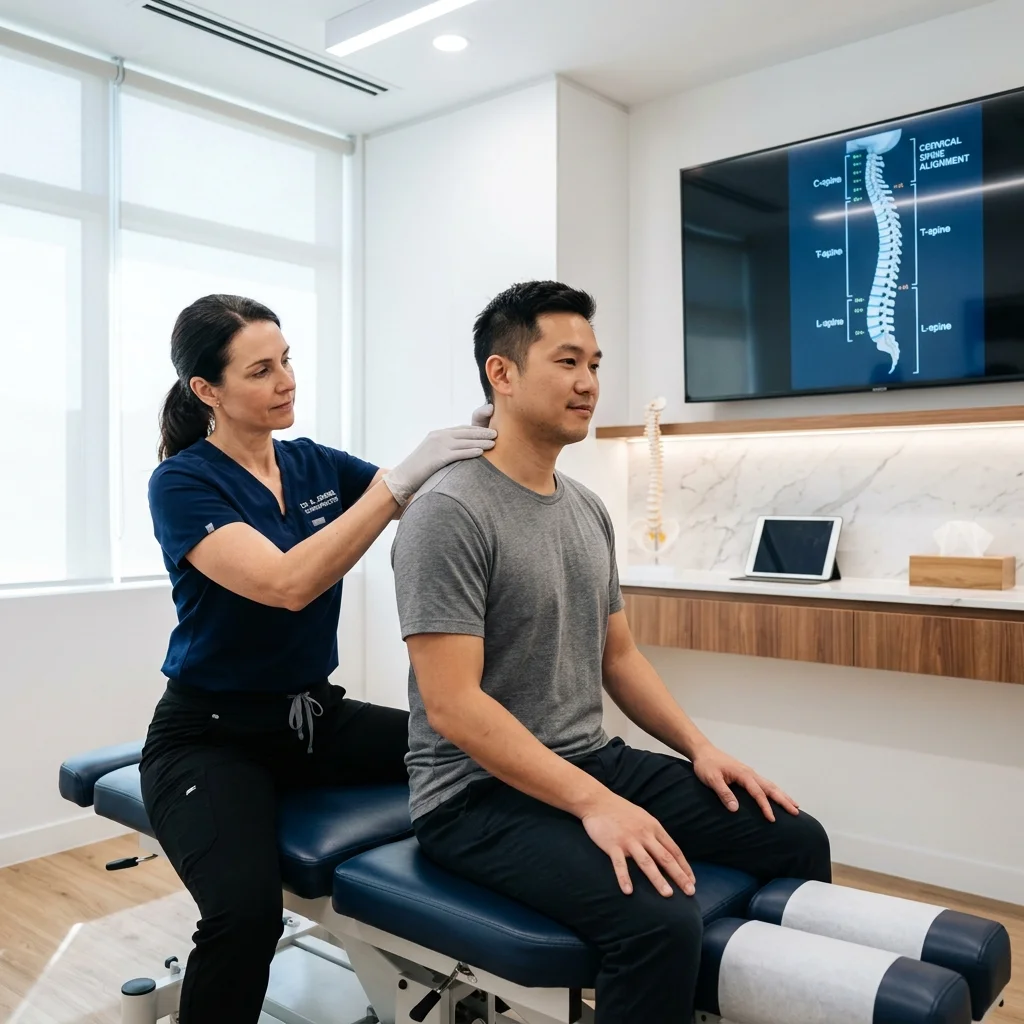
Even when there is no direct impact to a body part, the violent forces of a collision can cause joint misalignment throughout the spine. These misalignments, called subluxations by chiropractors, can irritate nerves and cause pain that radiates into the arms, legs, or head. A comprehensive evaluation after an accident looks not just at where it hurts, but at the entire musculoskeletal system to identify problems before they become entrenched.
What Happens During Your First Post-Accident Visit
When you come to our clinic after a car accident, the first priority is a thorough assessment. We document everything — this is important not only for your treatment but also for your insurance claim. The evaluation includes a detailed history of the accident (speed, direction of impact, whether you were the driver or passenger, whether airbags deployed), a physical exam that checks your spine, range of motion, reflexes, and muscle strength, and often X-rays to rule out fractures or structural damage.
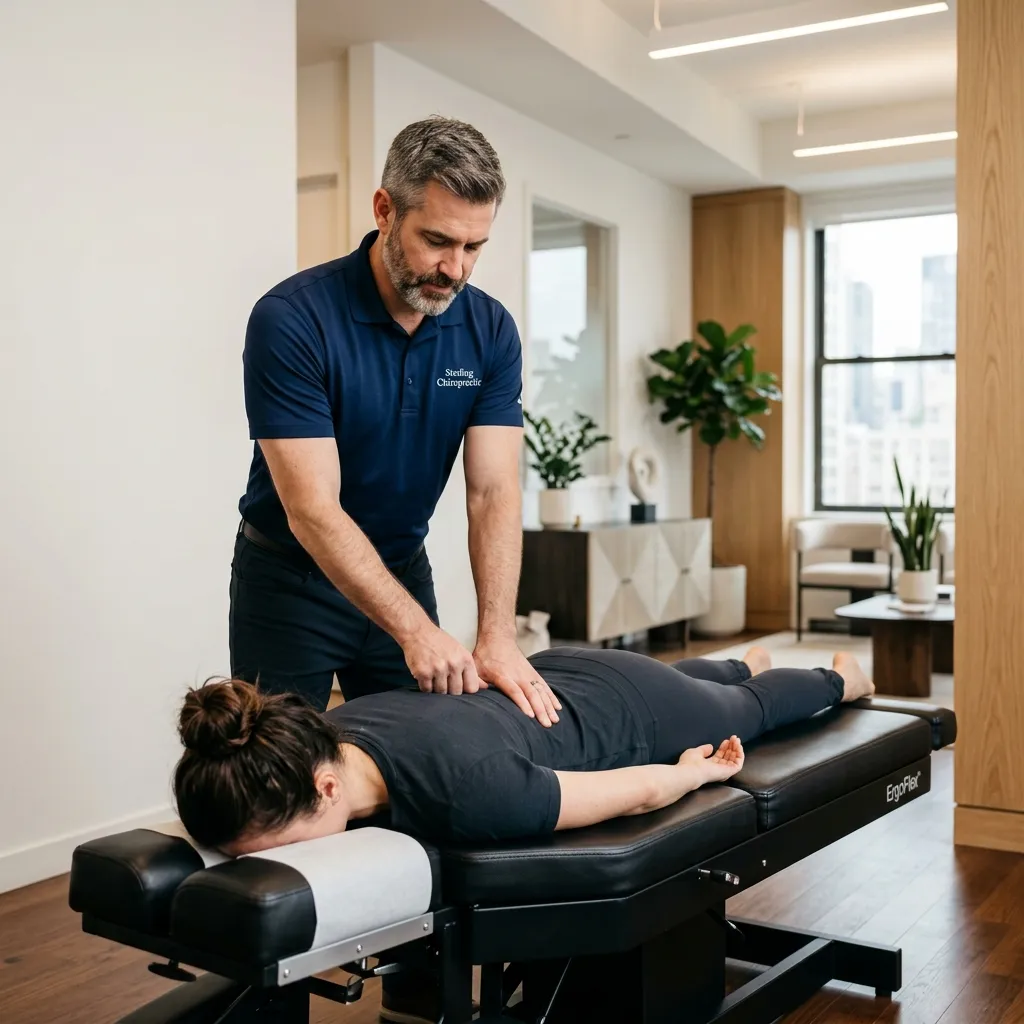
Based on the findings, we create a treatment plan that addresses your specific injuries. For most patients, this plan includes chiropractic manipulation to correct spinal misalignments, reduce nerve irritation, and restore proper joint movement. Many patients also benefit from physical therapy to rebuild strength and range of motion in injured areas. The goal at every stage is to reduce pain, restore function, and prevent long-term complications.
Treatments That Support Accident Recovery
Chiropractic adjustments are the foundation of post-accident care, but they work best as part of a broader treatment approach. Massage therapy helps release the muscle tension and spasms that often follow whiplash and back injuries. When muscles are locked tight, they pull on the spine and can undo the benefits of an adjustment. Massage relaxes those muscles, improving blood flow and making adjustments more effective and longer-lasting.
For disc-related injuries — like herniated or bulging discs caused by the impact — spinal traction can relieve pressure on the affected nerves by gently stretching the spine. For soft tissue injuries that cause localized knots and referred pain, trigger point therapy targets those specific tight bands of muscle. The combination of treatments is tailored to each patient. No two accidents cause exactly the same pattern of injury, so no two treatment plans should be identical.
Navigating Insurance and No-Fault Claims
If you were injured in a car accident in New York, your medical treatment is typically covered under the state's No-Fault insurance system, regardless of who was at fault. This coverage pays for necessary medical expenses, including chiropractic care, physical therapy, diagnostic imaging, and other treatments related to your accident injuries. There are time limits for filing — you generally need to file a No-Fault claim within 30 days of the accident — so do not delay getting evaluated.
Our clinic works directly with No-Fault insurance carriers. We handle the paperwork so you can focus on recovering. Bring your accident report, insurance information, and claim number to your first visit. We also coordinate with workers' compensation if the accident happened while you were on the job. For more detailed guidance on navigating the aftermath of an accident, read our article on chiropractic vs physical therapy to understand which treatments may be part of your recovery plan.
Recovery Timeline: What to Expect
Recovery time depends on the severity of your injuries, your age, your overall health, and how consistently you follow your treatment plan. Minor soft tissue injuries may resolve within four to six weeks. Moderate whiplash or back sprains often take two to three months of regular treatment. More serious injuries involving discs or nerve compression can take six months or longer, and some patients benefit from periodic maintenance care even after the active treatment phase ends.
The biggest mistake people make is stopping treatment as soon as the pain subsides. Pain relief is an early milestone, not the finish line. The underlying tissue damage and spinal dysfunction take longer to heal than the pain signal suggests. Stopping too early often leads to the injury returning — sometimes worse than before. Follow the treatment plan through to completion. Your body will tell you when it is ready to return to full activity, and your care team will monitor objective measures — range of motion, strength, inflammation — not just your subjective pain level.
For a detailed walkthrough of what to expect at your first chiropractic appointment, see our guide on your first chiropractic visit. If muscle work is part of your recovery plan, our post on how massage works alongside chiropractic explains why combining these treatments often speeds healing.