Understanding Sciatica: Causes, Symptoms, and Treatment Options
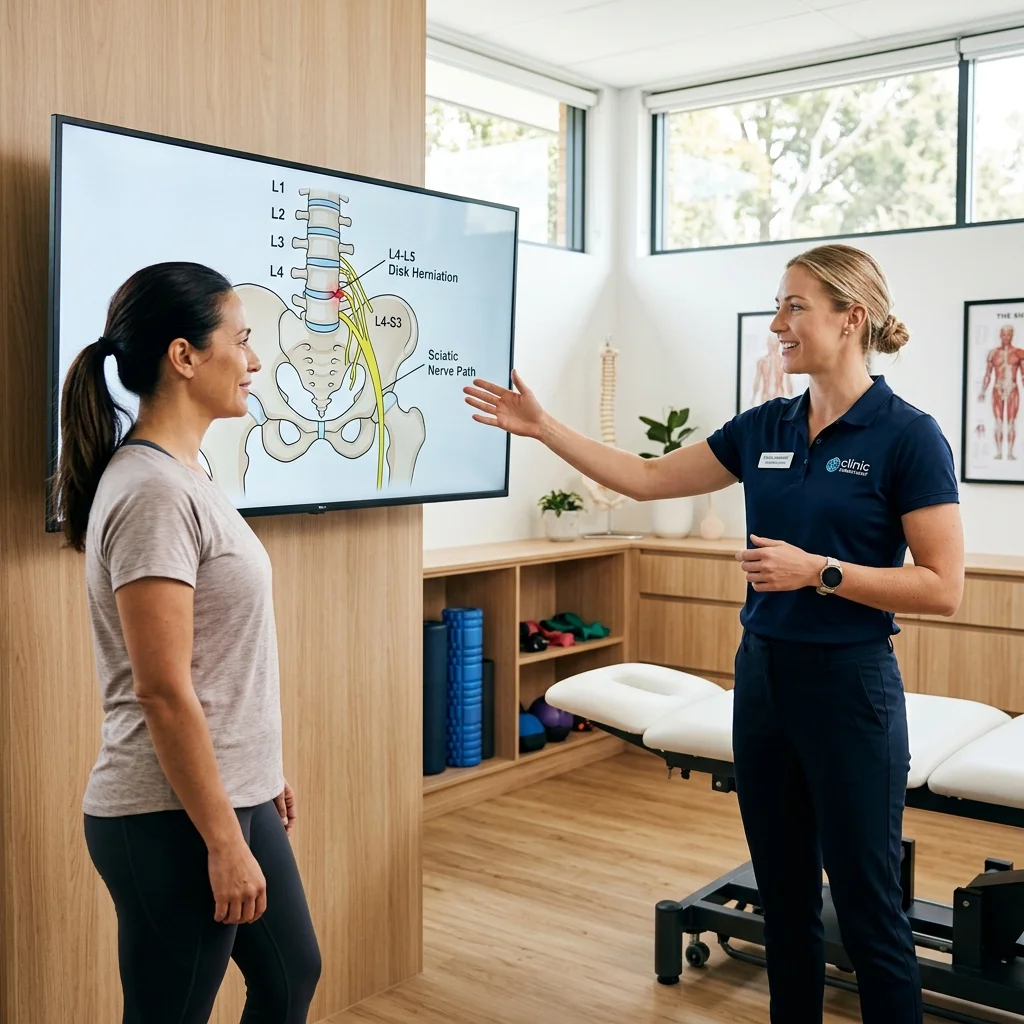
Sciatica is not a diagnosis — it is a set of symptoms caused by compression or irritation of the sciatic nerve, the largest nerve in the human body. This nerve runs from your lower back, through your buttocks, and down each leg. When something presses on it — a herniated disc, a bone spur, a tight muscle — the result is pain that can range from a mild ache to a sharp, shooting sensation that makes standing or walking difficult. Understanding what is causing your sciatica is the first step toward effective treatment.
What the Sciatic Nerve Does and Why It Matters
The sciatic nerve is formed by nerve roots that exit the lower spine at levels L4 through S3. These nerve roots join together to form a nerve that is roughly the thickness of your thumb. It travels through the pelvis, passes under the piriformis muscle in the buttock, and branches down the back of each leg, all the way to the foot. Because it covers such a large territory, irritation anywhere along its path can cause symptoms far from the actual site of compression.
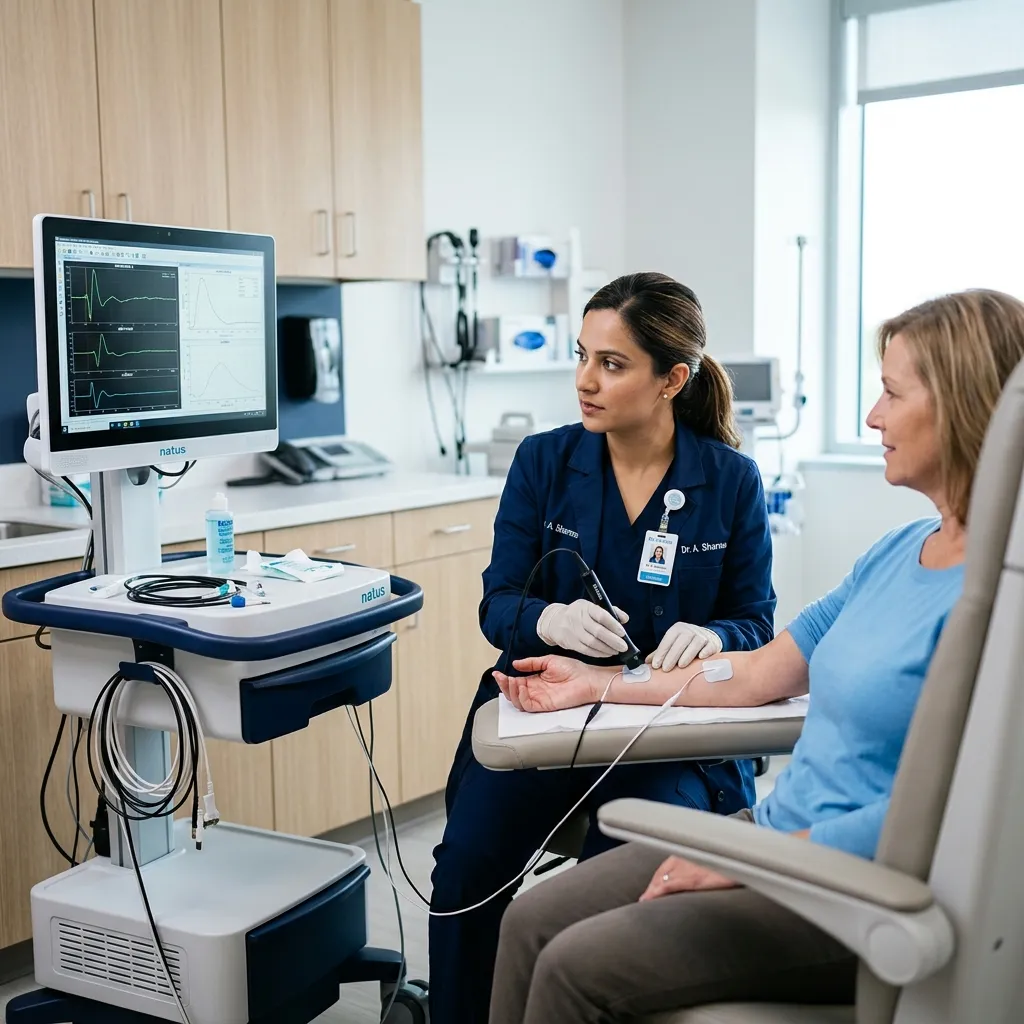
The nerve provides both motor function (controlling muscles in the back of the thigh, lower leg, and foot) and sensory function (carrying sensation from the skin of the leg and foot). This is why sciatica can cause not just pain, but also numbness, tingling, and weakness. In severe cases where the nerve is significantly compressed, patients may notice their foot dragging or difficulty pushing off when walking — signs that require prompt evaluation.
Common Causes of Sciatic Nerve Pain
A herniated or bulging disc is the most common cause of sciatica. The discs are the gel-filled cushions between your vertebrae. When a disc herniates, the inner gel-like material pushes through a tear in the outer wall and can press directly against a nerve root. This is more common in people under 50. In older adults, degenerative disc disease and spinal stenosis — a narrowing of the spinal canal — are more typical culprits. As the spaces where nerves exit the spine shrink, the nerves get pinched.
Another cause that is often overlooked is the piriformis muscle, a small muscle deep in the buttock that the sciatic nerve runs directly under — and in some people, right through. When this muscle becomes tight or spasms, it can compress the nerve, producing sciatica-like symptoms. This is called piriformis syndrome. Unlike disc-related sciatica, this type often responds well to targeted chiropractic manipulation and manual therapy directed at the hip and pelvis rather than the spine.
Symptoms Beyond Just Leg Pain
The classic description of sciatica is pain that starts in the lower back, travels through the buttock, and radiates down the back of the leg — often all the way to the foot. But the presentation varies. Some people feel the pain primarily in the buttock, with only mild leg discomfort. Others have no back pain at all and only experience symptoms in the leg. The pain can be sharp, burning, electric-like, or a deep ache.
Numbness and tingling are common companions. You might feel pins and needles in your foot, or a patch of skin on your calf that feels dead to the touch. Muscle weakness is a more concerning sign — if you find yourself unable to stand on your toes or your foot catches when you walk, the nerve compression is significant and needs attention. In rare cases, sciatica from severe disc herniation can affect bladder or bowel function. This is a medical emergency called cauda equina syndrome and requires immediate surgical intervention.
How Chiropractic Care Treats Sciatica
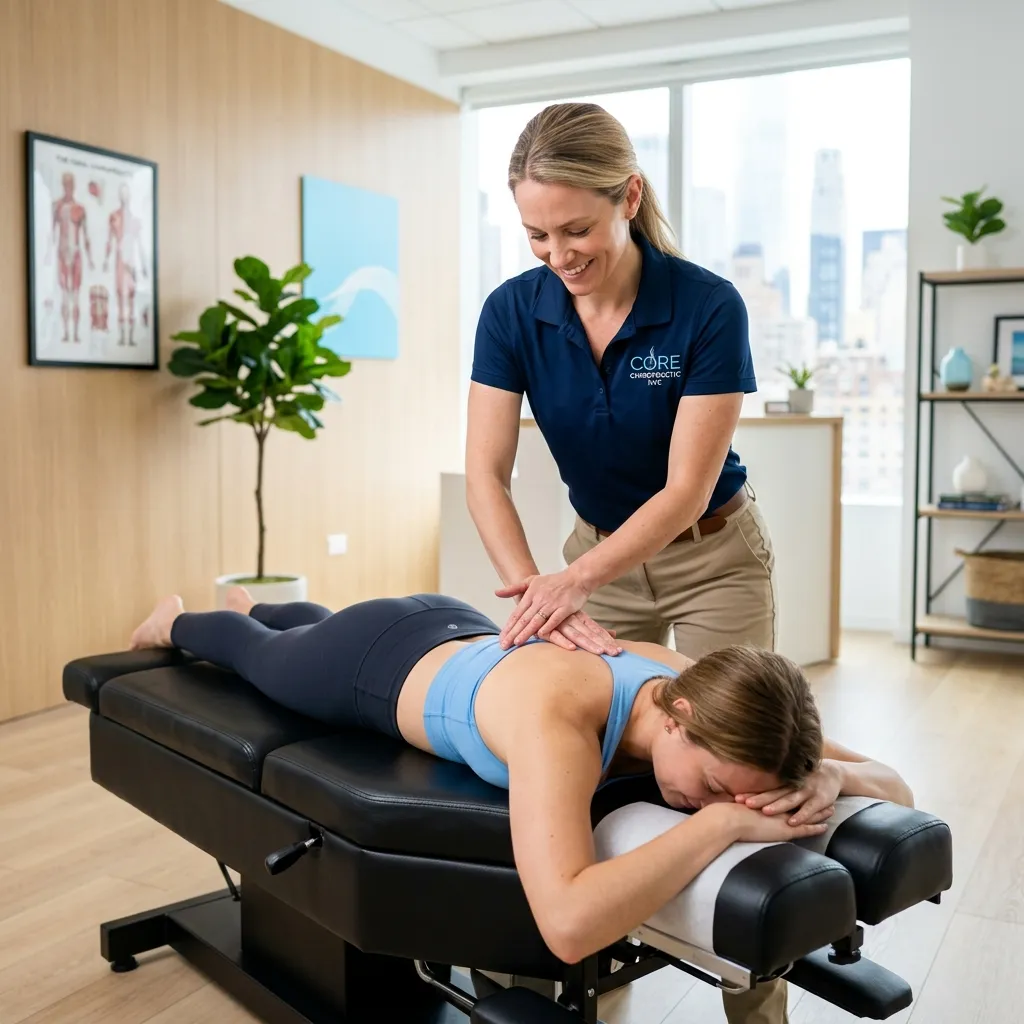
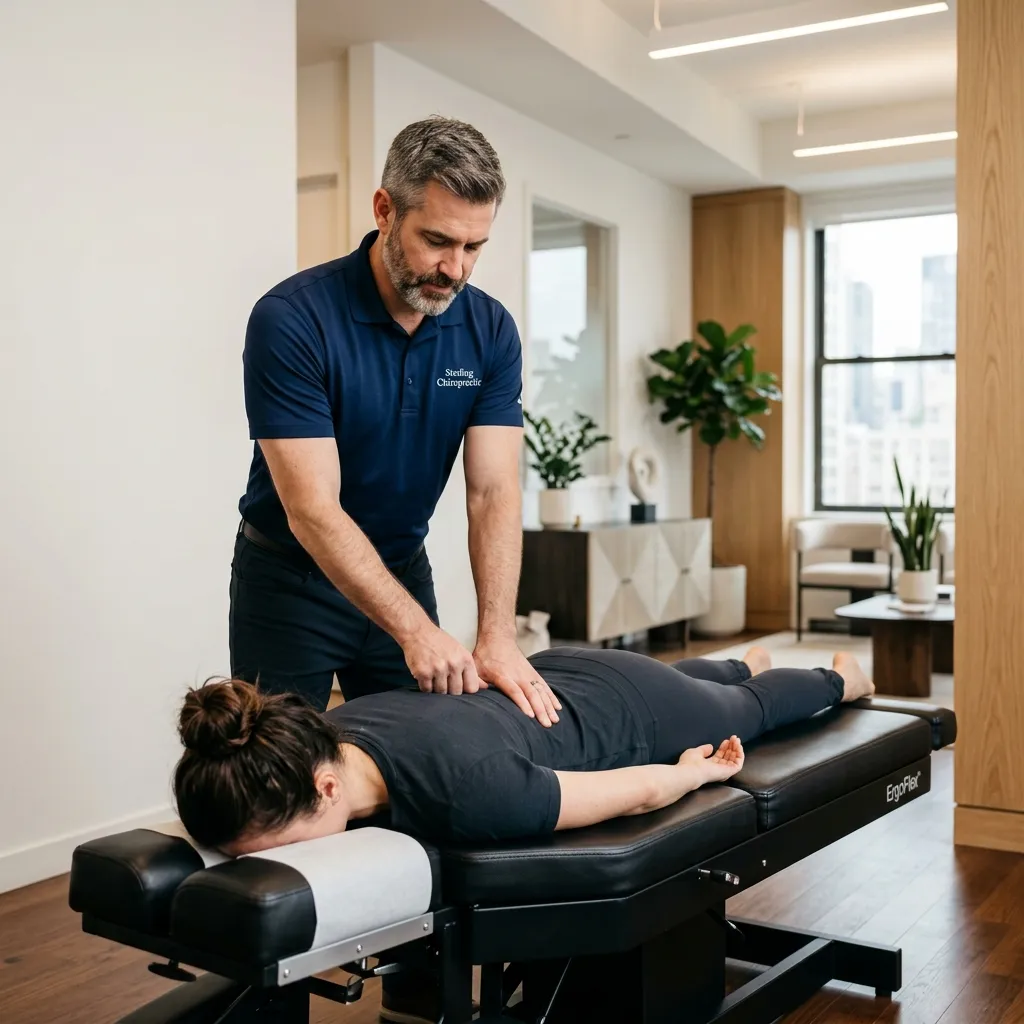
Chiropractic treatment for sciatica starts with identifying the exact source of nerve compression. If the problem is a misaligned vertebra in the lumbar spine that is narrowing the space where the nerve exits, a chiropractic adjustment can restore proper alignment and relieve the pressure. Research supports spinal manipulation as an effective treatment for sciatica, particularly when the pain is related to disc issues or joint dysfunction in the lower back.
Adjustments are not a one-size-fits-all approach. The chiropractor selects specific techniques based on your condition. For acute disc-related sciatica, flexion-distraction technique — a gentle, pumping motion applied to the affected disc — can help reposition the disc material away from the nerve. For joint-related sciatica, a traditional high-velocity, low-amplitude adjustment may be used. The chiropractor also addresses the surrounding musculature, since muscles often spasm protectively around an irritated nerve, creating a cycle of pain and tightness that makes the problem worse.
Other Treatments That Complement Chiropractic Care
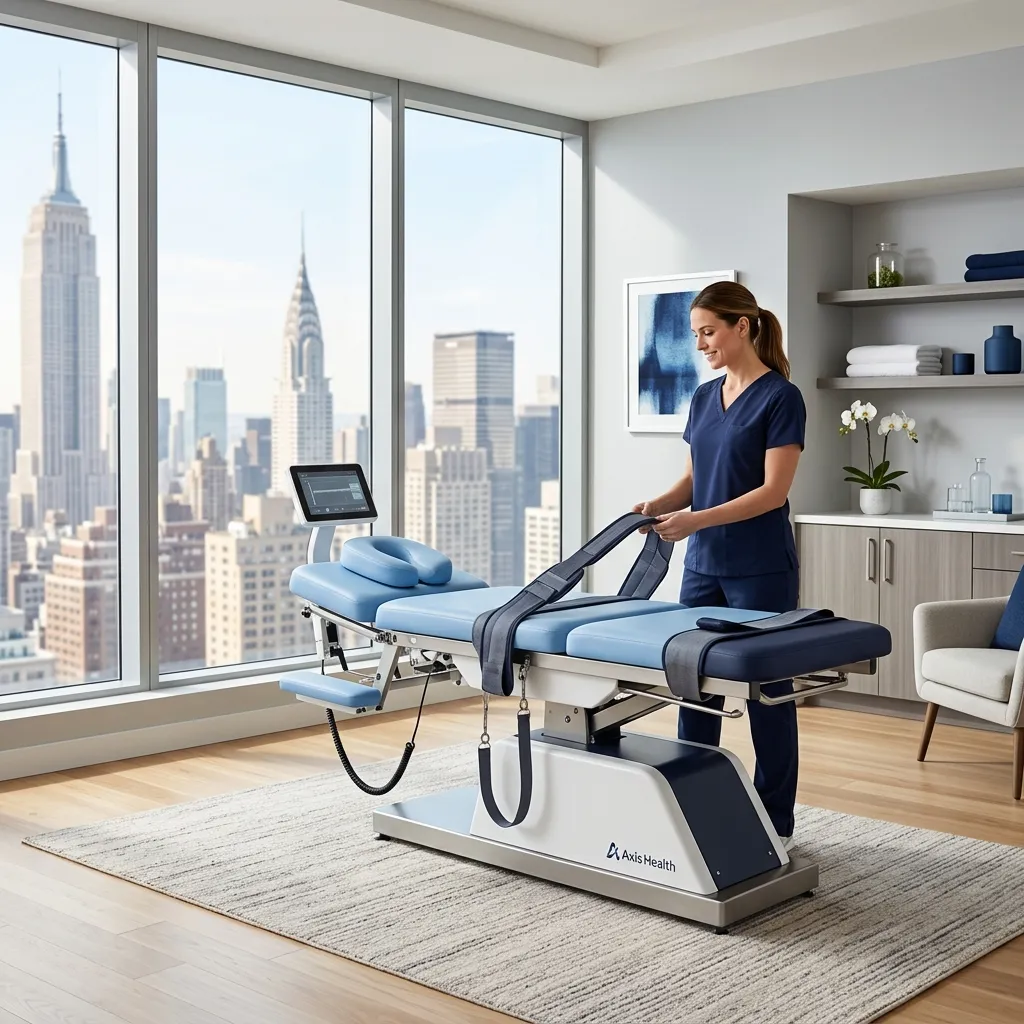
For many patients, combining treatments produces faster, more complete relief. Spinal traction is particularly useful for disc-related sciatica. By gently stretching the spine, traction creates negative pressure within the disc that can help retract herniated material away from the nerve. It also widens the spaces where nerves exit, relieving pinching. Most patients find traction comfortable — a gentle, cyclical pull-release pattern that lasts 15 to 30 minutes.
Trigger point therapy addresses the muscle component. Tight gluteal muscles, particularly the piriformis, can entrap the sciatic nerve and cause symptoms that mimic disc-related sciatica. Releasing these trigger points through focused pressure can provide immediate relief. Massage therapy helps reduce the overall muscle tension that builds up in response to sciatic pain. And for patients who need more comprehensive oversight, our pain management team can coordinate multiple treatment approaches.
Preventing Sciatica from Returning
Once the acute episode resolves, the focus shifts to prevention. The same mechanical issues that caused sciatica once can cause it again if the underlying weaknesses are not addressed. Core strengthening is central — a strong core reduces the load on the lumbar spine and discs. But it is important to work with a professional who can teach you exercises that do not aggravate your condition. Many well-intentioned patients do sit-ups or toe touches that actually increase disc pressure.
Posture matters throughout the day, not just when exercising. If you sit for work, use a chair with good lumbar support and stand up to move every 30 to 40 minutes. When lifting anything — even something light — bend your knees and keep the object close to your body. Avoid twisting while lifting. These habits become automatic with practice and significantly reduce the likelihood of recurrence. For more strategies on managing lower back issues, read our guide on relieving lower back pain without medication. If muscle knots are contributing to your nerve pain, our article on trigger point therapy explained covers how releasing tight muscles can interrupt the pain cycle.