How to Relieve Lower Back Pain Without Medication
Lower back pain is one of the most common reasons people miss work and visit a doctor. It affects roughly eight out of ten adults at some point in their lives. The default response for many is to reach for ibuprofen or acetaminophen. While those can temporarily dull the pain, they do nothing to fix what caused it. Worse, long-term use of pain medication carries real risks — stomach ulcers, liver damage, kidney problems, and dependence. The good news is that there are effective, drug-free ways to relieve lower back pain and keep it from returning.
Why Medication Is Not a Long-Term Solution
Pain is a signal, not the problem itself. When your lower back hurts, your body is telling you that something is wrong — a joint is out of alignment, a muscle is in spasm, a disc is under pressure, or a nerve is being compressed. Taking a pill silences the signal but leaves the underlying issue untouched. Over time, the problem often worsens while you remain unaware because the warning system has been muted.
Non-steroidal anti-inflammatory drugs (NSAIDs) like ibuprofen and naproxen can cause gastrointestinal bleeding with prolonged use. Acetaminophen, when taken regularly or in high doses, can damage the liver. Opioids, sometimes prescribed for severe back pain, carry well-documented risks of addiction. None of these address the structural or mechanical cause of back pain. A better approach targets the source directly so you do not need to rely on medication in the first place.
Spinal Adjustments: Addressing the Root Cause
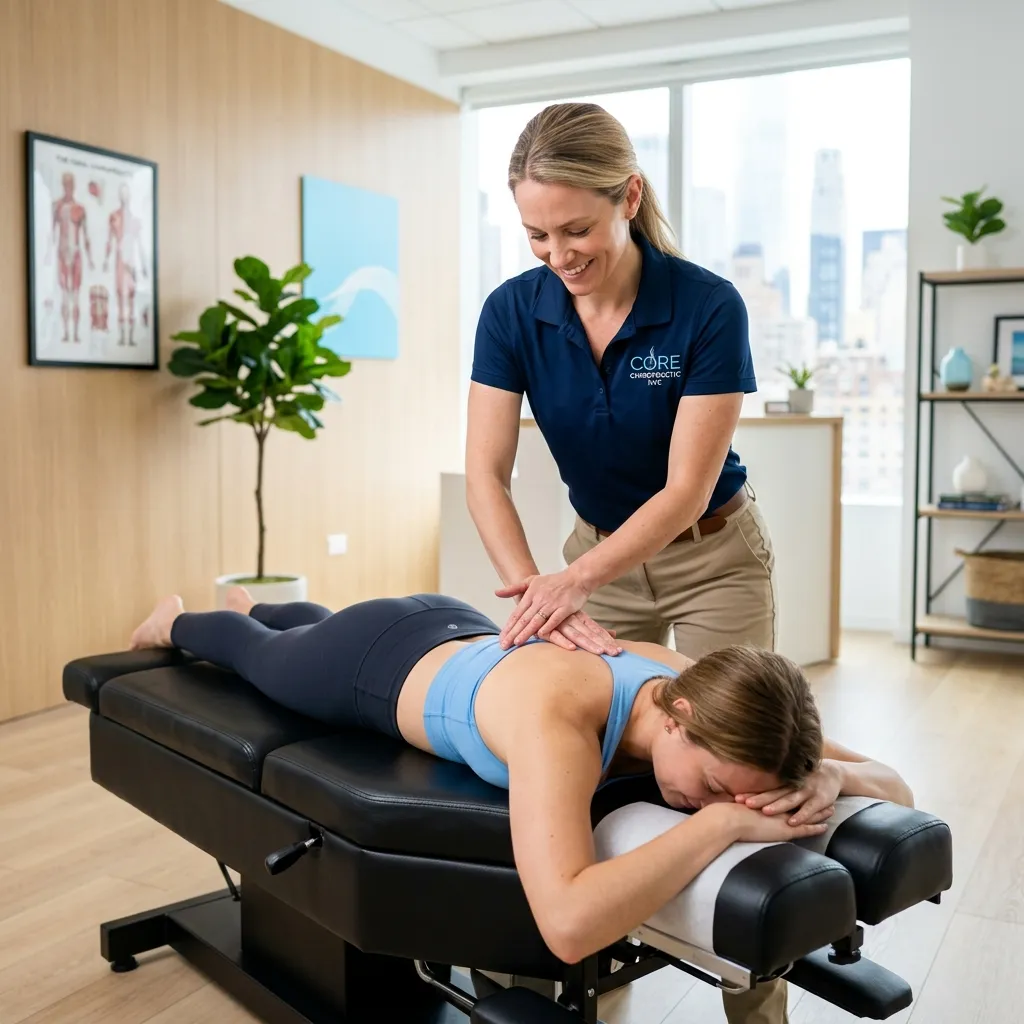
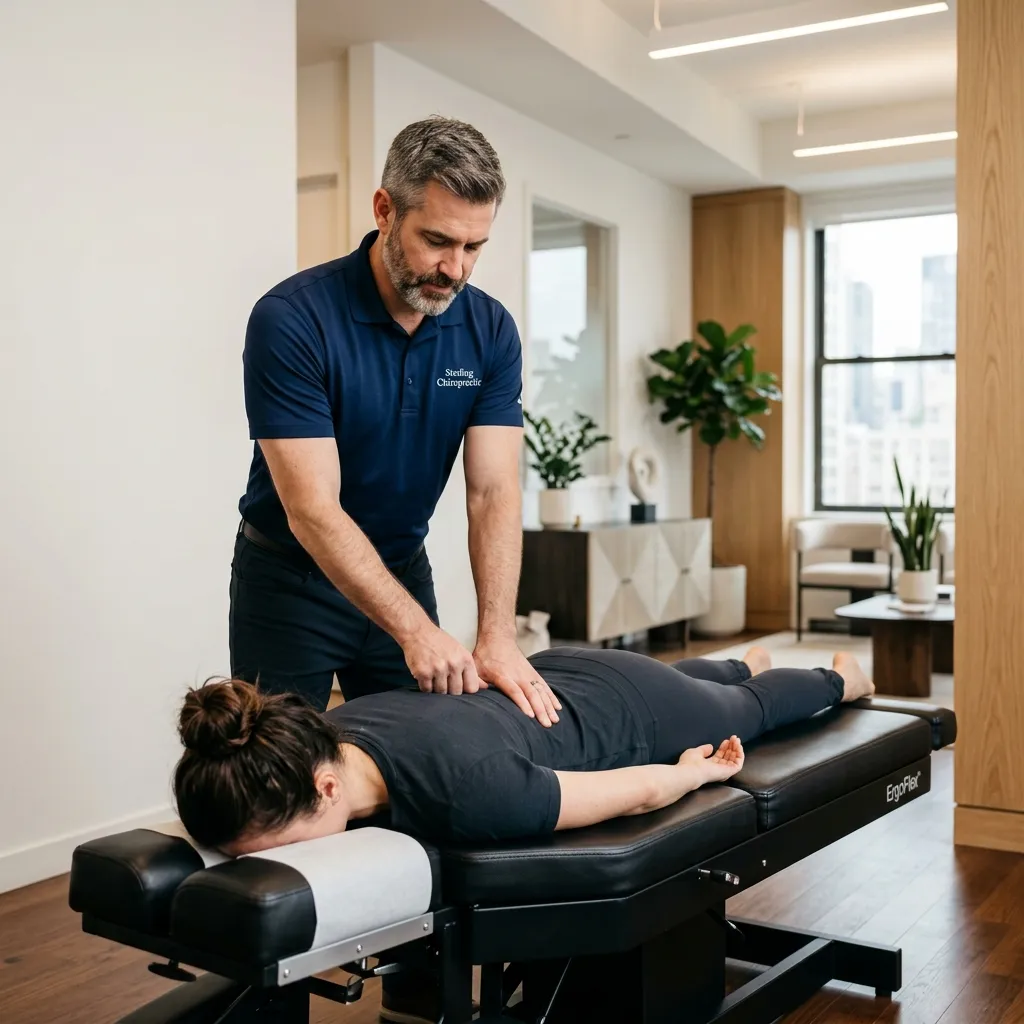
Chiropractic manipulation is one of the most researched and effective treatments for lower back pain. When vertebrae in the lumbar spine shift out of alignment — from poor posture, injury, or repetitive strain — they can irritate surrounding nerves and cause muscles to spasm protectively. A chiropractic adjustment restores proper alignment, taking pressure off the nerves and allowing muscles to relax.
Studies consistently show that spinal manipulation reduces pain and improves function for patients with acute and chronic low back pain, often faster than medication alone. Many patients report significant relief after the first or second session. The adjustment itself is quick — a controlled, precise movement applied to the affected joint — and it triggers a cascade of beneficial responses: reduced inflammation, improved blood flow, and restored range of motion.
Stretches That Target the Lower Back
Gentle stretching can relieve muscle tension and improve flexibility in the structures surrounding your lumbar spine. The key is consistency and proper form — aggressive stretching can make things worse. The knee-to-chest stretch is a good starting point: lie on your back, pull one knee toward your chest, hold for 20 to 30 seconds, then switch legs. This stretches the lower back muscles and the glutes, which often tighten in response to back pain.
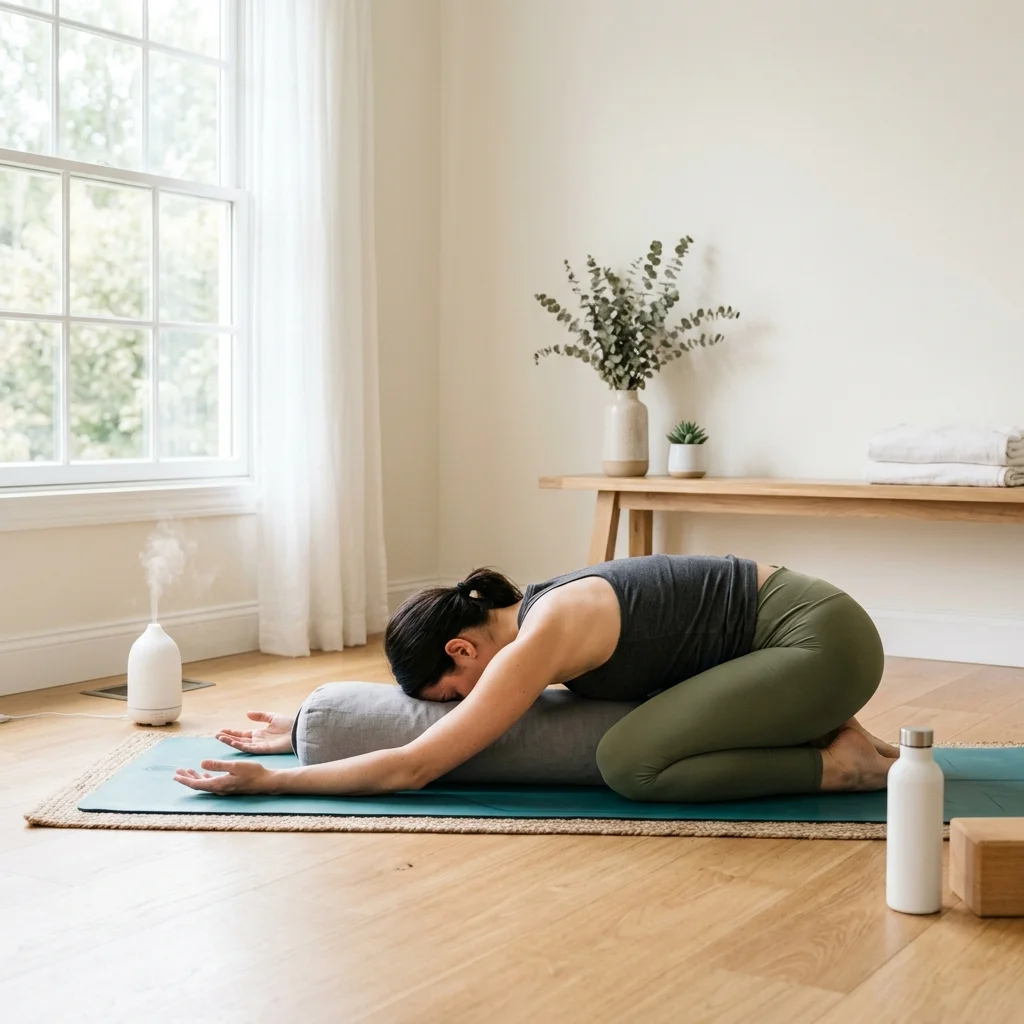
The child's pose — kneeling on the floor, sitting back on your heels, and reaching your arms forward — gently elongates the spine and relieves compression. The cat-cow stretch, moving between arching and rounding your back while on hands and knees, improves spinal mobility and can ease stiffness first thing in the morning. Hold each stretch, do not bounce, and stop immediately if you feel sharp pain. These stretches work best when combined with professional treatment that addresses the underlying joint dysfunction.
Strengthening Your Core to Support the Spine
Your core is more than just your abs. It includes the deep muscles of your lower back, your pelvic floor, your diaphragm, and the muscles that wrap around your torso like a corset. When these muscles are weak, your spine bears more load than it is designed to handle, and pain is the predictable result. Strengthening your core creates a natural support system that reduces strain on the vertebrae and discs.
You do not need a gym membership or heavy weights. Planks are effective — start with 20 to 30 seconds and build up. Dead bugs (lying on your back and extending opposite arm and leg while keeping your spine stable) teach your core to resist rotation. Glute bridges strengthen the posterior chain, which directly supports the lower back. The important thing is to perform these exercises correctly. If you have existing back pain, working with a therapist ensures you are not reinforcing bad movement patterns. Our physical therapy team can design a core program specific to your condition.
Posture Changes That Reduce Pain Immediately
How you sit, stand, and sleep has a direct impact on your lower back. If you sit at a desk for hours, check your setup: your feet should rest flat on the floor, your knees should be at or slightly below hip level, and your lower back should be supported by the chair or a small cushion. Your screen should be at eye level so you are not looking down, which rounds your upper back and cascades into lower back strain.
When standing, distribute your weight evenly on both feet. Avoid locking your knees. If you stand for long periods, rest one foot on a low stool and switch periodically. For sleep, the best positions are on your back with a pillow under your knees, or on your side with a pillow between your knees. Both positions maintain the natural curve of your spine. Avoid sleeping on your stomach — it flattens the lumbar curve and twists your neck. These adjustments sound small, but they reduce the cumulative stress that turns into chronic pain.
When to Seek Professional Help
If your lower back pain has lasted more than a few days, is getting worse, or is interfering with your ability to work, sleep, or enjoy daily activities, it is time to see a professional. Red flags that warrant prompt evaluation include pain that radiates down one or both legs, numbness or tingling in your legs or feet, weakness in your legs, or loss of bladder or bowel control (this last one requires emergency attention).
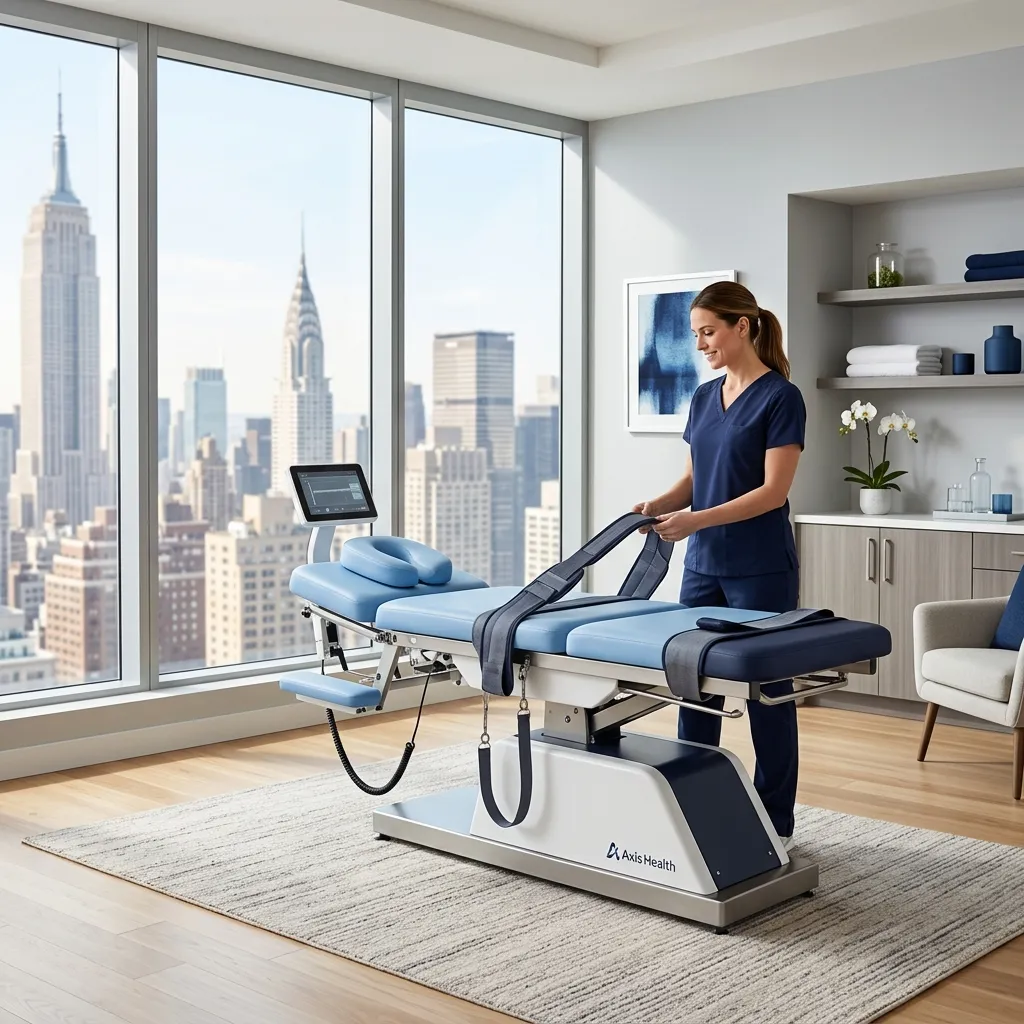
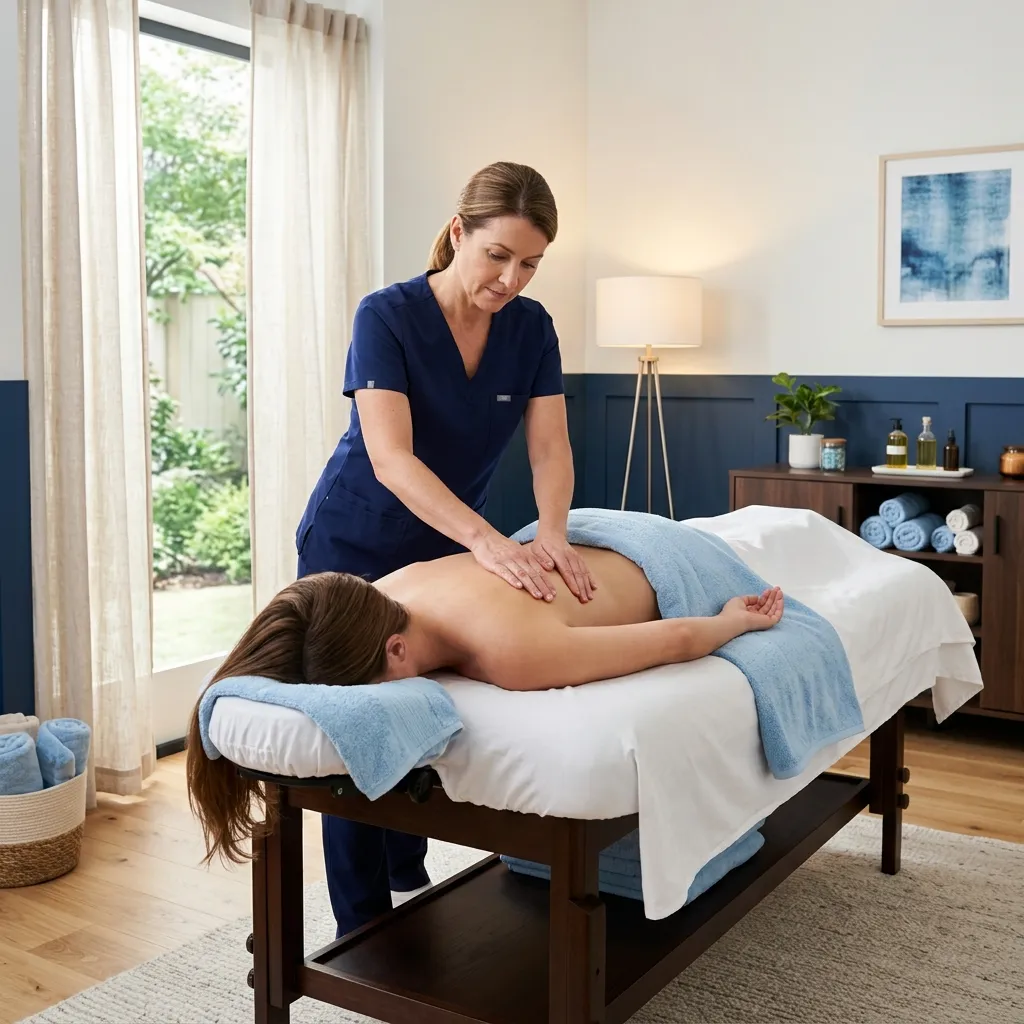
A proper evaluation identifies the specific cause of your pain so treatment can be targeted. It might be a disc issue that responds well to spinal traction, a muscle problem that massage therapy can resolve, or a joint dysfunction that chiropractic adjustments can correct. In many cases, a combination of treatments produces the best outcome. For more on one of the most common causes of lower back pain, read our guide to understanding sciatica. If muscle knots are part of your pain pattern, our article on trigger point therapy explains how targeted pressure can release them.