How Massage Therapy Works Alongside Chiropractic Care

If you have ever received a chiropractic adjustment only to feel your muscles tighten back up a day or two later, you have experienced the problem that combining massage and chiropractic solves. Your spine is held in place not just by bones and ligaments, but by layers of muscles that can either support or undermine an adjustment. When those muscles are knotted, inflamed, or in spasm, they pull on the spine with enough force to undo the correction your chiropractor just made. Adding massage to your treatment plan is not a luxury — for many patients, it is the difference between temporary relief and lasting change.
Why Tight Muscles Undermine Chiropractic Adjustments
Muscles attach to bones via tendons. When a muscle is chronically tight, it exerts constant tension on the bones it connects to. In the spine, this means tight paraspinal muscles, hip flexors, or shoulder girdle muscles can pull vertebrae out of alignment on an ongoing basis. A chiropractic adjustment restores proper alignment in seconds, but if the muscles are still pulling in the wrong direction, that alignment will not hold.
Think of it like trying to close a door while someone is pushing against it from the other side. The adjustment opens the joint space and restores movement, but the tight muscle pushes right back. This is not the adjustment failing — it is the soft tissue component being left unaddressed. Patients who only receive adjustments sometimes find themselves needing more frequent visits simply because the muscles keep recreating the problem. By addressing the soft tissue as well, you break that cycle.
How Massage Prepares the Body for an Adjustment
Massage therapy before a chiropractic adjustment serves several purposes. It warms the tissue, increasing blood flow and making muscles more pliable. It reduces muscle spasm and guarding — the involuntary tightening that occurs around an injured or painful area. When muscles are relaxed, the chiropractor encounters less resistance during the adjustment. This means the adjustment itself can be gentler, more precise, and more comfortable for the patient.
Massage also stimulates the parasympathetic nervous system — your body's "rest and digest" mode — which counters the stress response that often accompanies chronic pain. A patient who arrives tense and anxious after a stressful commute or workday is in a very different physiological state than one whose muscles and nervous system have been calmed by 20 to 30 minutes of massage. In that relaxed state, the adjustment is not only easier to perform but also more effective because the body is primed to accept the correction rather than resist it.
The Order of Treatment Matters
The sequence in which you receive treatments affects the outcome. The most effective order for most patients is massage first, chiropractic adjustment second. The massage releases the soft tissue restrictions that would otherwise resist the adjustment. By the time the chiropractor works on the spine, the surrounding muscles are relaxed and the joints are more mobile. The adjustment then realigns the vertebrae and restores proper joint motion, and because the muscles are no longer fighting to pull things back out of place, the correction lasts longer.
There are exceptions. For acute injuries where inflammation is the primary issue — such as immediately after a car accident or a fresh sports injury — the chiropractor may recommend starting with adjustments and adding massage later once the acute inflammation has subsided. Deep tissue work on freshly injured tissue can sometimes aggravate inflammation. Your care team will determine the right sequence based on your specific condition and how your body responds to treatment.
The Combined Benefits: Faster Recovery and Longer Results
Research and clinical experience both support the combination of massage and chiropractic. Massage increases circulation, which speeds the removal of metabolic waste products that build up in tight, ischemic muscles and contribute to pain. Better circulation also delivers oxygen and nutrients needed for tissue repair. Chiropractic adjustments improve joint mobility and reduce nerve irritation. Together, they create an environment where healing happens faster.
Patients who combine both therapies typically report several benefits: faster initial pain relief, longer-lasting results between visits, fewer total visits needed to resolve their condition, and a greater sense of overall well-being. The last point is worth emphasizing — chronic pain takes a psychological toll, and the combination of physical relief from the adjustment and the relaxation response from massage often leaves patients feeling not just physically better, but mentally clearer and less stressed. For conditions like tension headaches, which have both a physical and a stress component, this dual approach is particularly effective.
What a Combined Session Looks Like
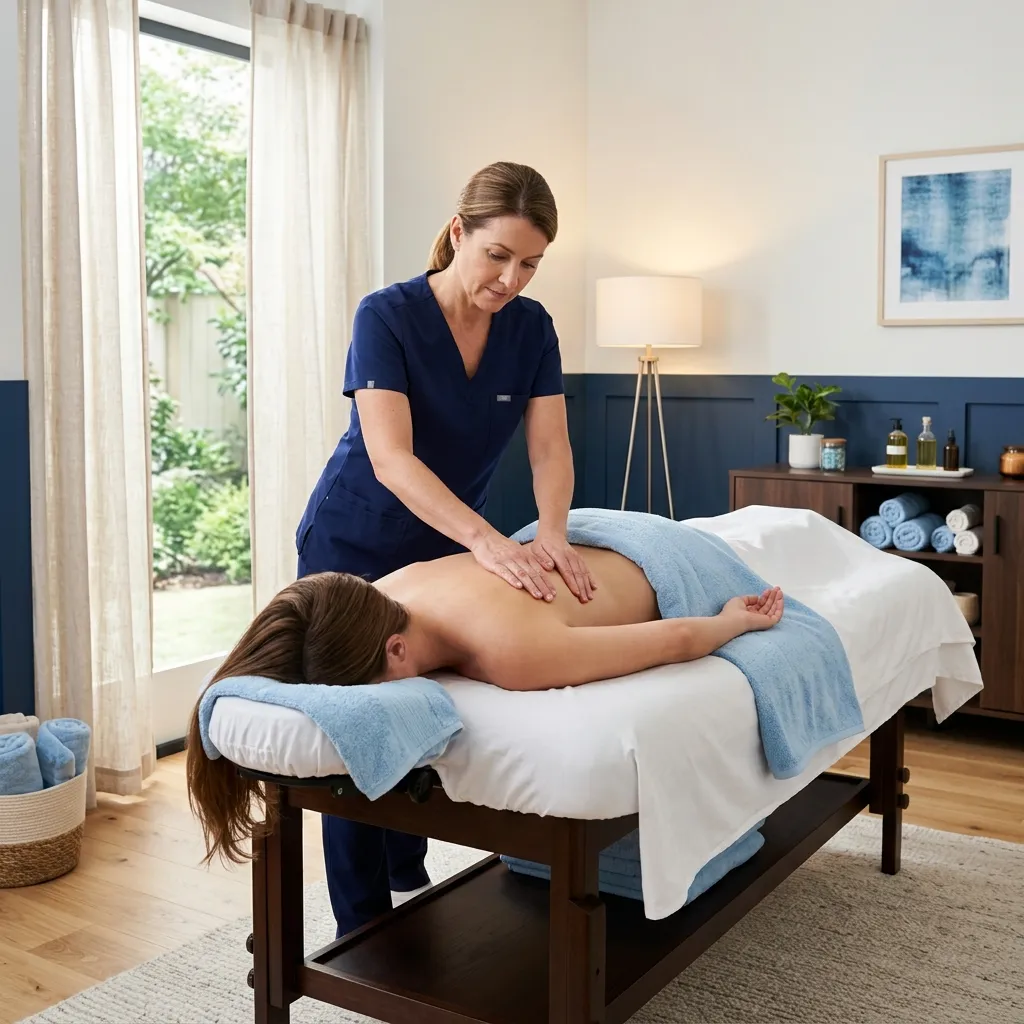
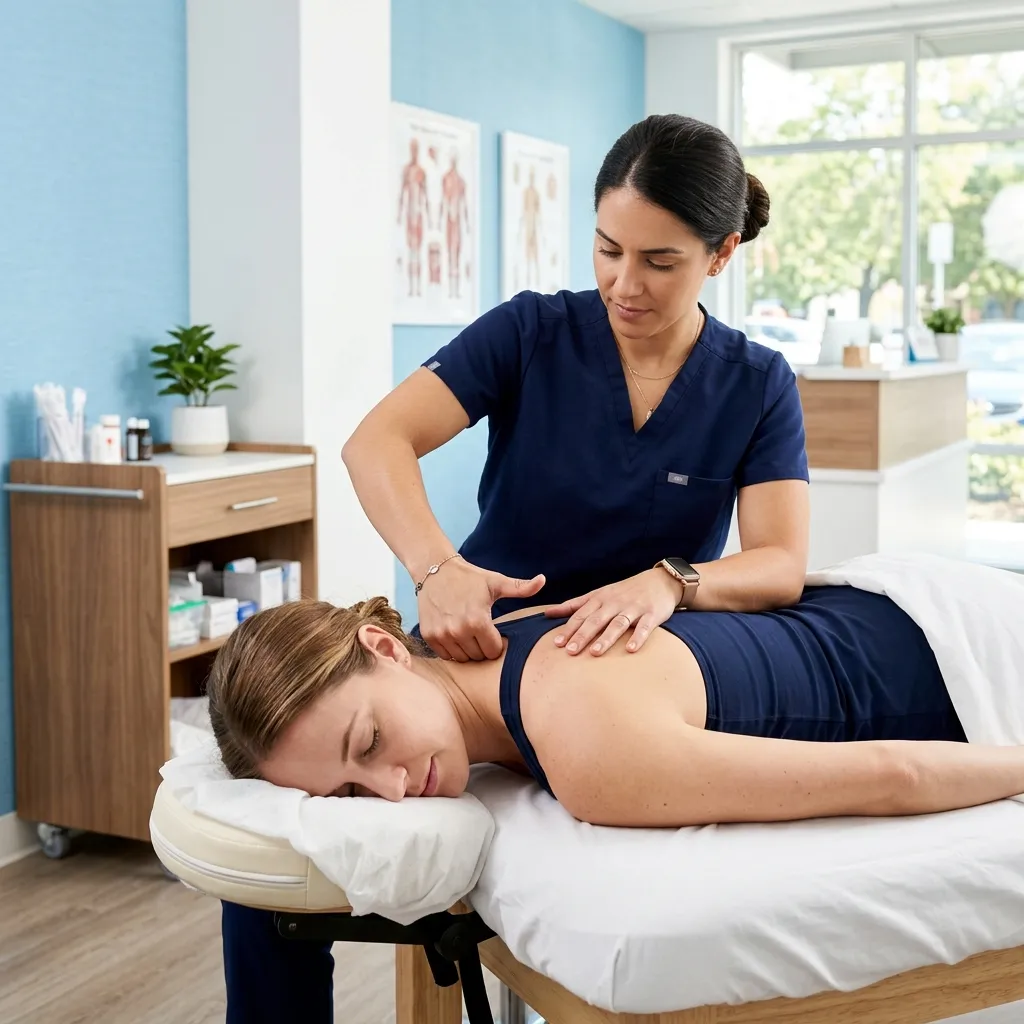
At our clinic, a combined session is seamless because your chiropractor and massage therapist communicate directly about your care. You do not have to explain your condition twice or worry that one provider does not know what the other is doing. A typical combined visit starts with a brief check-in: how have you felt since your last visit, any changes in symptoms, any new concerns. Then the massage therapist works on the specific muscle groups identified in your treatment plan — often the neck, shoulders, and lower back, but targeted to your particular pattern of tension.
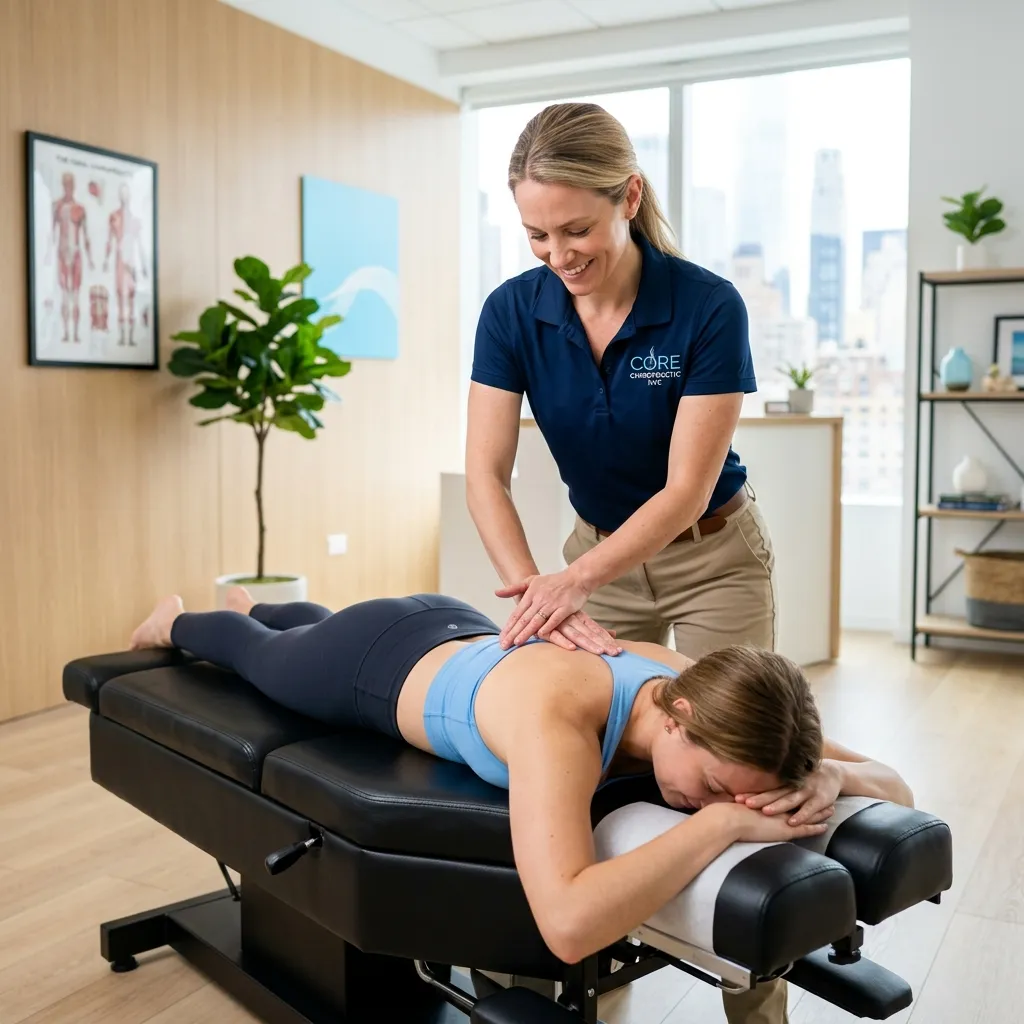
The massage portion usually runs 20 to 30 minutes and focuses on therapeutic work rather than general relaxation. The therapist uses techniques like deep tissue massage, myofascial release, and trigger point therapy to release specific tight areas. After the massage, you transition to the chiropractic adjustment. Because your muscles are now relaxed, the adjustment is typically quicker and more comfortable. The entire combined session takes about 45 to 60 minutes. Afterward, the chiropractor may give you updated home-care instructions based on how your body responded that day.
Who Should Consider This Combined Approach
Virtually any patient receiving chiropractic care can benefit from adding massage, but certain groups see particularly dramatic results. Patients recovering from car accidents almost always have significant soft tissue involvement — whiplash is fundamentally a muscle and ligament injury — and massage is often essential for full recovery. People with chronic tension patterns from desk work, long commutes, or physically demanding jobs tend to have muscle tightness that resists adjustment-only treatment.
Patients with conditions like fibromyalgia, chronic fatigue syndrome, or anxiety disorders often find that the combination of chiropractic manipulation and massage provides relief that neither treatment alone achieves. Athletes and active individuals who push their bodies regularly benefit from the recovery-accelerating effects of combined treatment. And patients who have tried chiropractic alone and felt that the results faded too quickly often discover that adding massage is what was missing.
If you are new to chiropractic care, start by reading our guide on what to expect at your first chiropractic visit. For a deeper understanding of how muscle knots contribute to chronic pain, our article on trigger point therapy explained covers the specific technique used to release those hard-to-reach knots that general massage might miss.