Trigger Point Therapy Explained: Relief for Muscle Knots

You know the feeling: a hard, tender knot in your shoulder or lower back that aches constantly and seems to make pain spread to nearby areas. That knot is a trigger point — a hyperirritable band of muscle fibers that has locked into a contracted state and cannot relax on its own. Trigger points are surprisingly common and often go unrecognized as the source of chronic pain. Trigger point therapy is a hands-on treatment that releases these knots, and for many patients, it provides relief that nothing else has been able to achieve.
What Are Trigger Points and How Do They Form?
A trigger point is a small area of tightly contracted muscle tissue within a larger muscle. Under a microscope, these spots show sarcomeres — the basic contractile units of muscle — that are stuck in a shortened position. Blood flow to the area is reduced, which means oxygen and nutrients cannot get in and metabolic waste cannot get out. This creates a localized energy crisis in the muscle that keeps the knot locked tight.
Trigger points form in response to muscle overload. Common triggers include repetitive motions (think assembly line work, typing, or playing an instrument), sustained poor posture (hunching over a phone or computer), direct trauma (a blow to the muscle during sports or a fall), and protective guarding (muscles tightening around an injured joint). Stress also plays a role — when you are stressed, you unconsciously raise your shoulders and clench your jaw, creating the perfect conditions for trigger points in the neck and upper back.
How Trigger Points Cause Referred Pain
One of the most confusing things about trigger points is that they rarely hurt where they are located. Instead, they produce what is called referred pain — pain felt at a distance from the actual knot. This happens because the constant tension in the trigger point sends pain signals that the brain misinterprets as coming from somewhere else along the same nerve pathway. Every trigger point has a predictable referral pattern that trained therapists learn to recognize.
For example, a trigger point in the gluteus minimus muscle (deep in the hip) classically refers pain down the side of the leg, mimicking sciatica. A trigger point in the upper trapezius (the muscle between your neck and shoulder) refers pain up into the temple, causing what feels like a tension headache. Trigger points in the neck can refer pain into the arm and hand, mimicking carpal tunnel syndrome. This is why a skilled therapist does not just treat where it hurts — they methodically search for the source, which is often in a different location entirely.
What Happens During a Trigger Point Therapy Session
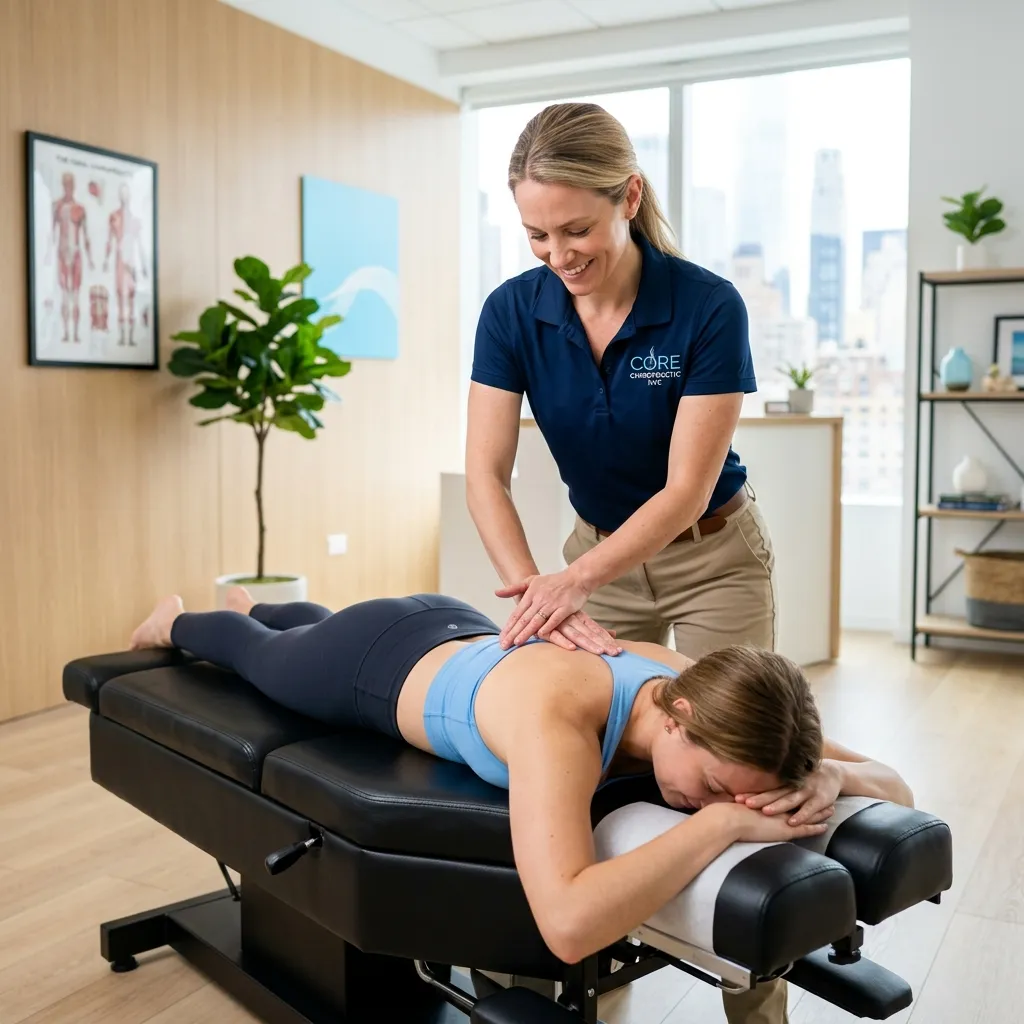
A trigger point therapy session starts with the therapist asking where you feel pain and then systematically palpating the muscles in that region to find the active trigger points. You will feel the therapist pressing along the muscle, searching for taut bands and spots that reproduce your familiar pain. When they find a trigger point, they apply steady, focused pressure — typically holding for 30 to 90 seconds.
The sensation during treatment can be intense. Many patients describe it as a "good hurt" — uncomfortable but also satisfying, like pressing on a bruise that needs attention. As the pressure is maintained, you may feel the muscle begin to release, often accompanied by a sensation of warmth as blood flow returns to the area. The therapist may also incorporate techniques like ischemic compression (sustained pressure to temporarily reduce blood flow, then release) or stretching the muscle while maintaining pressure on the knot. A session typically lasts 15 to 30 minutes and can address multiple trigger points.
Conditions That Respond Well to Trigger Point Therapy
Trigger point therapy is effective for a wide range of pain conditions. Tension headaches that originate from tight neck and shoulder muscles often resolve quickly once the responsible trigger points are released. Myofascial pain syndrome — a chronic condition characterized by widespread trigger points and referred pain — is treated primarily with this approach. Temporomandibular joint (TMJ) dysfunction, where jaw muscles contain trigger points that cause facial pain and clicking, also responds well.
Back pain, whether in the upper, middle, or lower back, frequently involves trigger points in the paraspinal muscles and the quadratus lumborum (a deep muscle that connects the pelvis to the ribcage). Shoulder pain, particularly rotator cuff-related pain, often has a significant trigger point component in the muscles around the shoulder blade. Even conditions like plantar fasciitis can involve trigger points in the calf muscles that refer pain to the bottom of the foot. When trigger points are part of the picture, ignoring them means treatment will be incomplete.
Combining Trigger Point Therapy with Other Treatments
Trigger point therapy works best as part of an integrated treatment plan. Chiropractic adjustments realign the spine and joints, but if the surrounding muscles are full of trigger points, those tight muscles will pull the joints back out of alignment. This is why patients who receive chiropractic manipulation combined with trigger point therapy often get longer-lasting results. The adjustment corrects the structural problem; the trigger point work relaxes the muscles so the correction holds.
Massage therapy and trigger point therapy are complementary but distinct. General massage relaxes the whole muscle and improves circulation, while trigger point therapy targets specific dysfunctional spots within the muscle. Many of our patients receive both. A session might start with massage to warm up the tissue and increase blood flow, followed by focused trigger point release on the problematic knots. For patients with chronic patterns of muscle tension, physical therapy can add strengthening exercises that correct the postural imbalances that created the trigger points in the first place.
Self-Care Between Sessions
While professional trigger point therapy is more precise and effective than anything you can do on your own, there are techniques you can use at home to manage trigger points between visits. A foam roller or tennis ball can be used to apply pressure to large muscle groups like the back, glutes, and thighs. Place the ball or roller under the tight area and slowly roll until you find a tender spot, then hold still for 30 to 60 seconds while breathing deeply.
Heat applied before self-treatment helps muscles relax and makes trigger points easier to release. A warm shower, heating pad, or hot towel for 10 to 15 minutes before rolling or pressing can make a noticeable difference. Stretching after releasing a trigger point helps the muscle reset to its normal resting length. Stay hydrated — dehydrated muscle tissue is more prone to knotting. And pay attention to the activities that create your trigger points in the first place. If you have trigger points in your neck and shoulders, look at your desk setup, your phone usage, and your sleep position. Removing the cause is ultimately more effective than repeatedly treating the symptom. For more on how muscle treatments and chiropractic work together, read our article about how massage works alongside chiropractic. If you are dealing with nerve-related pain that may involve muscle knots, our guide to understanding sciatica explains how trigger points can mimic nerve pain.